When Passion Turns to Pressure: Psychological Predictors of Burnout in Adolescent Elite Swimmers
Antonio Oliveira-Ferrer

Marta Zubiaur-González
José A. Cecchini

Javier Fernández-Río
*Corresponding author: Antonio Oliveira-Ferrer edfaof00@estudiantes.unileon.es
Cite this article
Oliveira-Ferrer, A., Zubiaur-González, M., Cecchini, J. A., & Fernández-Rio, J. (2026). When passion turns to pressure: Psychological predictors of burnout in adolescent elite swimmers. Apunts. Educación Física y Deportes, 165, 47-57. https://doi.org/10.5672/apunts.2014-0983.es.2026.165.05
Abstract
Physical and emotional exhaustion, regarded as the core component of burnout, has been insufficiently explored in relation to its impact on sport performance. This study aimed to examine its progression among adolescent high-level swimmers over a competitive season and its relationship with competitive anxiety and sport commitment. A total of 297 high-level swimmers, training at least six times per week and/or enrolled in High Performance Sports Centers, initially consented to participate in the study. Of these, 247 completed the first assessment (T1), 218 provided valid data at T2, and 188 at T3. Employing a longitudinal design, participants completed the same set of questionnaires at three time points during the competitive season: T1 (October-November), T2 (February-March), and T3 (early July). Results indicated a significant reduction in physical and emotional exhaustion at T2 compared to T1, followed by a notable increase at T3 relative to T2. Across the season, physical and emotional exhaustion showed a positive correlation with somatic anxiety, worry, concentration disruption, and enthusiastic commitment. These findings underscore the potential impact of these variables on athletic performance and the risk of premature dropout, highlighting the practical relevance of the results. Ultimately, this research provides valuable insights for coaches to better manage their athletes’ well-being and performance throughout the season.
Introduction
High-performance adolescent swimming is a physically and psychologically demanding discipline that requires intensive training, competition preparation, and considerable mental resilience. Athletes at this level are frequently exposed to elevated stress, which may contribute to physical and emotional exhaustion, a central dimension of athlete burnout (McDonough et al., 2013). While the physiological demands of competitive swimming have been widely studied, increasing attention is being paid to the psychological burden, including sport-related anxiety and varying levels of sport commitment (Berki et al., 2020). This introduction examines the interrelationship among physical and emotional exhaustion, sport commitment, and anxiety in adolescent swimmers, emphasizing their potential implications for both performance and well-being.
Physical and Emotional Exhaustion in Adolescent Swimmers
Physical and emotional exhaustion is widely regarded as the core and most sensitive dimension of athlete burnout, particularly among high-performance adolescent athletes (Raedeke y Smith, 2001; Gustafsson et al., 2018). In the present study, this centrality is reflected in the decision to focus specifically on physical and emotional exhaustion as the primary indicator of burnout across the competitive season. Burnout is characterized by intense fatigue, a diminished sense of personal accomplishment, and a detached or devalued attitude toward sport. This condition has been identified as a critical factor that negatively affects athletes’ motivation and long-term involvement in sport (Morano et al., 2022). Swimmers, in particular, are highly susceptible to burnout due to early specialization, repetitive high-volume training routines, and elevated expectations from coaches and family environments (Giusti et al., 2020).
A systematic review conducted by Corrales y Olaya-Cuartero (2022) on school-age dropout in endurance sports identified emotional exhaustion as a major contributor to early sport disengagement. The review emphasized that the demanding training loads placed on young swimmers frequently result in both physical and psychological fatigue, thereby undermining their capacity to maintain consistent engagement throughout a competitive season. Given that competitive swimming requires long-term dedication, understanding the antecedents of emotional exhaustion becomes essential for enhancing athlete retention and optimizing performance outcomes.
The Role of Sport Commitment in Burnout and Performance
Commitment in sport has been conceptualized as a dual construct, encompassing both enthusiastic and coerced commitment (Scanlan et al., 2016). Enthusiastic commitment reflects intrinsic motivation, where athletes participate in swimming due to enjoyment and passion for the sport. Conversely, coerced commitment occurs when athletes feel obligated to continue due to external pressures, such as parental expectations, financial investment, or fear of disappointing coaches and teammates (Trinidad, 2024).
Previous studies have linked coerced commitment with higher levels of burnout in adolescent athletes. For instance, Tian y Sun (2024) investigated the relationship among self-concept clarity, mental toughness, and athlete burnout in swimmers during and after the COVID-19 pandemic. Their findings revealed that athletes who perceived their commitment as forced exhibited higher levels of emotional exhaustion and were more likely to consider sport dropout. Enthusiastic commitment, on the other hand, was associated with lower stress levels and greater resilience, enabling swimmers to endure the physical demands of their sport without experiencing burnout (Ponseti et al., 2016).
Given these findings, understanding the motivational climate surrounding young swimmers is crucial. If commitment is largely coercive, it can result in negative psychological outcomes such as anxiety and depression, which further fuel emotional exhaustion. In contrast, fostering an environment that supports autonomy and intrinsic motivation may help mitigate burnout symptoms.
Sport Anxiety and Its Impact on Emotional Exhaustion
A major concern regarding sport anxiety in high-level swimmers is its cyclical nature. Elevated anxiety levels can impair performance, which in turn amplifies stress and perpetuates a negative feedback loop that intensifies emotional exhaustion. In a longitudinal study, Vacher et al. (2017) observed that fluctuations in swimmers’ recovery–stress balance significantly influenced their emotional states, including anxiety and dejection, highlighting the importance of early psychological intervention. If left unaddressed, this cycle can result in stagnation of athletic progress, psychological withdrawal, or even premature sport dropout. As such, the implementation of psychological strategies—such as mindfulness-based training, cognitive restructuring, and stress regulation techniques—may be essential in supporting both the well-being and competitive longevity of adolescent swimmers (Zhang et al., 2025).
The Seasonal Progression of Physical and Emotional Exhaustion
Competitive swimming is organized around structured seasonal training cycles, during which athletes experience fluctuations in psychological stress and physical fatigue. Typically, physical and emotional exhaustion evolves over the course of the season, beginning with increased motivation at the outset, followed by mid-season fatigue, and peaking in stress levels during key competitions (Dobson et al., 2020).
In a longitudinal study, Martin et al. (2022) tracked NCAA collegiate swimmers throughout a full competitive season and reported that burnout symptoms were most acute in the latter stages of the year. In line with these patterns, Curran et al. (2011) found that emotional exhaustion increased as athletes approached key competitions, particularly among those reporting high external pressure and low psychological need satisfaction. These results suggest that both internal psychological factors and external stressors—such as performance expectations and the timing of competitive events—may influence the emotional state of young swimmers as the season progresses.
Recognizing these seasonal patterns is crucial for designing effective prevention strategies. Coaches and sport psychologists are encouraged to integrate periodization models that include scheduled psychological recovery phases alongside physical tapering to reduce the risk of burnout (Karlsson, 2022). Moreover, moderating training intensity during mid-season phases may help alleviate emotional exhaustion while preserving performance readiness.
Influence of Age, Sex, and Competitive Level
Age, sex, and competitive level are critical variables that influence physical and emotional exhaustion, sport commitment, and competitive anxiety in adolescent swimmers. These factors shape athletes’ psychological responses to training and competition demands, with distinct patterns observed across different demographic groups.
Age plays a pivotal role in both coping strategies and vulnerability to burnout. Younger swimmers (13–14 years) often show greater susceptibility to emotional exhaustion due to their developmental stage and limited experience managing sustained training loads (Martin et al., 2022). In contrast, older adolescents (15–16 years) may demonstrate greater physical resilience but also encounter increased psychological pressure linked to performance expectations and future sporting prospects (Morano et al., 2022).
Sex differences have also been consistently identified in the literature. Female swimmers tend to report higher levels of competitive anxiety and emotional exhaustion compared to males (Giusti et al., 2020). These disparities may be attributed to a greater sensitivity to external evaluation, differences in emotional regulation, and sex-based variations in coping strategies (McDonough et al., 2013). While male swimmers may report lower levels of anxiety, they may still experience notable physical fatigue, particularly during intensive training phases.
Competitive level further modulates these dynamics. Athletes participating in high-level competitions––such as national championships––are exposed to greater physical demands and heightened psychological stressors (Pan et al., 2024). This pressure is often associated with elevated levels of emotional exhaustion, particularly among those whose commitment is externally driven. Conversely, swimmers at lower competitive levels may face fewer external stressors but remain vulnerable to burnout through intrapersonal challenges and team-related dynamics (Trinidad, 2024).
In sum, these demographic and competitive variables underscore the need for individualized psychological support tailored to age, sex, and level of competition. Implementing developmentally appropriate coping strategies, fostering supportive training environments, and recognizing sex-based differences in stress perception may enhance resilience and reduce the risk of burnout in adolescent swimmers.
Study Aims and Hypotheses
The present study aimed to examine the evolution of physical and emotional exhaustion in high-level adolescent swimmers throughout a full competitive season and to explore its associations with competitive anxiety and sport commitment. Furthermore, variables such as age, sex, competitive category, and competitive level were incorporated to provide a comprehensive understanding of these relationships. Based on these objectives, the first hypothesis proposed that physical and emotional exhaustion would increase as the season progresses. The second hypothesis proposed that anxiety would be positively correlated with physical and emotional exhaustion, whereas enthusiastic commitment would be negatively associated with both aspects.
Method
Participants
A total of 297 high-level swimmers, regularly engaged in training programs with a minimum of six sessions per week in the swimming pool and/or integrated into high performance sports centers, were initially recruited. To ensure that only high-level swimmers were included in the sample, participants needed to have already competed in the Spanish National Championship or be qualified for the next one. A third selection criterion was based on the coaches’ judgment, whereby swimmers could be included based on their projection and attitude. Of the 297 swimmers who consented to participate, 247 completed the first assessment (T1), 218 completed T2, and 188 completed T3. Fifty-one percent were male, aged between 13 and 16 years (M = 14.56, SD = 1.05). Table 1 presents the characteristics of the participants at the three data collection times conducted throughout the season. Sample characteristics did not differ significantly between participants at baseline and subsequent measurement points, except for age, with younger participants remaining in the later collection points. The variable category grouped the swimmers according to the categories established by the Spanish Swimming Federation at the time of the study and refers to: 1st year (13–14 years), 2nd year (14–15 years) and 3rd year (15–16 years). Regarding the variable competitive level, swimmers were categorized into two groups: high competitive level and low competitive level. This distinction was based on whether or not swimmers had ever participated in the Spanish National Championships. Although all items in the online questionnaire were configured as mandatory, the demographic questions corresponding to competitive category and competitive level were presented as open-response fields. In a small number of cases, particularly at T2 and T3, participants entered information in a non-standard format, which resulted in some responses being recorded as missing or non-interpretable for these two variables. Importantly, these issues affected only these secondary demographic variables; the main psychological variables of interest (physical and emotional exhaustion, competitive anxiety, and sport commitment) were complete and valid for all cases included in the analyses. The research followed a longitudinal group evolution design (Goodwin y Goodwin, 2016). The study received ethical approval from the Research Ethics Committee for Medicinal Products of the Principality of Asturias (248/18).

Procedure
Informed consent was obtained from all participants and, where required, from their legal guardians. High-performance centers and sports clubs were contacted directly via telephone or email for participant recruitment. Organizations that agreed to collaborate provided a list of eligible swimmers. Both athletes and their parents were informed about the study’s aims, data confidentiality, and the voluntary nature of participation. Participants were encouraged to ask questions and reminded of their right to withdraw from the study at any time without consequences. Completing the questionnaires required less than five minutes.
Data collection was conducted online, either via email or telephone, at three time points over an eight- to nine-month period: Time 1 (T1): mid-October to early November, approximately 11–15 weeks into the competitive season; Time 2 (T2): late February to early March; and Time 3 (T3): early July. For each measurement wave, participants (and, when applicable, their legal guardians) received an initial invitation link to complete the questionnaires, followed by two reminders within a 7–10-day interval. Because participation was anonymous, it was not possible to conduct individual follow-up; therefore, all reminders were sent in a general, non-personalized way. Consequently, some swimmers did not respond at subsequent time points, which contributed to the natural attrition observed between T1 and T3, a common phenomenon in longitudinal research with adolescent athletes.
The intervals between measurement points ranged from four to five months. This timeline was designed to minimize the effects of motivational and psychological fluctuations typically associated with competitive events. To further reduce bias, T2 and T3 assessments were administered at least two to three weeks prior to the main championship events of the spring and summer seasons.
Measurements and Instruments
Physical and Emotional Exhaustion. Physical and emotional exhaustion (PEE) was assessed using the Athlete Burnout Questionnaire (ABQ; Raedeke y Smith, 2001), adapted to the Spanish context by Arce et al. (2010). The ABQ is a 15-item instrument that evaluates three dimensions of athlete burnout, but only the Physical and Emotional Exhaustion (PEE) subscale was used in this study. This choice reflects the central theoretical status of physical and emotional exhaustion as the core and most sensitive component of athlete burnout, particularly in adolescent athletes (Raedeke y Smith, 2001; Gustafsson et al., 2018). Accordingly, PEE was treated as the primary indicator of burnout across the competitive season. This subscale includes five items (e.g., “Swimming makes me too tired”), which are rated on a 5-point Likert scale (1 = almost never, 5 = almost always). The internal consistency of this subscale, as measured by Cronbach’s alpha, was .87, .87, and .89 for Time 1 (T1), Time 2 (T2), and Time 3 (T3), respectively.
Competitive Anxiety. Competitive anxiety was measured using the Sport Anxiety Scale-2 (SAS-2; Smith et al., 2006), validated for the Spanish context by Ramis et al. (2010). The SAS-2 consists of 15 items divided into three subscales: somatic anxiety (e.g., “I feel my body is tense”), worry (e.g., “I worry that I am not performing well”), and concentration disruption (e.g., “I find it hard to concentrate on what I am supposed to do”). All items are introduced with the statement: “Before or while training or competing…”. Responses are recorded on a 4-point Likert scale (1 = not at all, 4 = very much). Cronbach’s alpha values for somatic anxiety were .83, .83, and .83; for worry, .87, .89, and .86; and for concentration disruption, .79, .80, and .84, across T1, T2, and T3.
Sport Commitment. Sport commitment was assessed using the Sport Commitment Questionnaire-2 (SCQ-2; Scanlan et al., 2016), adapted to the Spanish context by Sánchez-Miguel et al. (2019). The SCQ-2 includes 12 subscales, but this study focused on the two subscales related to commitment types: enthusiastic and coerced. Enthusiastic commitment consists of six items (e.g., “I will continue swimming as much as I can”), while coerced commitment includes five items (e.g., “I feel forced to continue swimming”). Participants rated their responses on a 5-point Likert scale (1 = strongly disagree, 5 = strongly agree). Cronbach’s alpha values for enthusiastic commitment were .85, .63, and .91, and for coerced commitment were .66, .62, and .75, across T1, T2, and T3.
Data Analyses
Hierarchical linear models (HLMs) were employed to examine changes in physical and emotional exhaustion across the three data collection points. This method was selected because it avoids the underestimation of standard errors—thereby reducing the risk of Type I error—and effectively accommodates missing data (Field, 2024). The outcome variables at Level 1 (repeated measures; N = 654) were nested within Level 2 units (participants; baseline N = 247). Linear mixed-effects models were estimated using maximum likelihood (ML) procedures, following the guidelines of Snijders y Bosker (2011).
An initial intercept-only (null) model was specified for physical and emotional exhaustion to partition the total variance across the two levels. The intra-class correlation coefficients (ICC) were calculated to determine the proportion of variance attributable to each level, confirming the appropriateness of a multilevel modeling approach (Hofmann et al., 2000).
Predictor variables included linear time, sex, age, competitive category, participation in Spanish national championships, and years of swimming experience. These were added sequentially using a hierarchical model-building strategy. Variables that did not yield statistically significant estimates across all model iterations were excluded from the final model (West et al., 2014).
Finally, constrained cubic spline functions were incorporated to model the non-linear associations between physical and emotional exhaustion and all statistically significant predictors. Repeated-measures linear mixed models were adjusted for covariates identified in the previous steps. Four knots were used to produce a smooth, continuous fitted curve. Statistical significance was set at p < .05, and all analyses were performed using Stata/MP version 15.0 (StataCorp LP, College Station, TX, USA).
Results
Tested Models With Physical and Emotional Exhaustion as Dependent Variables
The results from the preliminary analysis (null model, Model 1), shown in Table 2, indicate that physical and emotional exhaustion varied significantly both between participants (inter-individual variability) and within participants over time (intra-individual variability). Specifically, 9.6% of the total variance was attributed to inter-participant differences, while 90.4% corresponded to within-participant changes.
Table 2
Repeated Measures Linear Mixed Models With Physical and Emotional Exhaustion as Dependent Variable
Model 2, which included only data collection time points as predictors, revealed a decrease in physical and emotional exhaustion at mid-season (T2), followed by an increase at the end of the season (T3). This model accounted for a 5.3% reduction in intra-participant variability.
Model 3 incorporated all significant predictors. When these variables were included, the previously observed differences across time points disappeared, suggesting that the included predictors accounted for the longitudinal changes. Notably, age, somatic anxiety, worry, concentration disruption, and enthusiastic commitment explained a large portion of inter-individual variability, which was no longer significant in this model.
Cubic Splines
Figures 1 through 4 present the non-linear associations between physical and emotional exhaustion and the key predictors, modelled using constrained cubic splines. Figure 1 – Somatic Anxiety (range 1–4): displays a progressive upward trend that becomes statistically significant at point 3 (OR = 1.35, 95% CI [1.03, 1.78]). Figure 2 – Worry (range 1–4): shows a steep increase between points 1 and 2 (OR = 1.45, 95% CI [1.13, 1.87]) and again between points 3 and 4 (OR = 2.05, 95% CI [1.37, 3.07]). Figure 3 – Concentration Disruption (range 1–4): follows a similar pattern, with a sharp incline near point 4 (OR = 2.24, 95% CI [1.23, 4.09]). Figure 4 – Enthusiastic Commitment (range 1–5): Displays a marked increase up to point 3.5 (OR = 2.10, 95% CI [1.65, 2.68]), followed by a gradual decline toward point 5 (OR = 1.75, 95% CI [1.34, 2.30]).
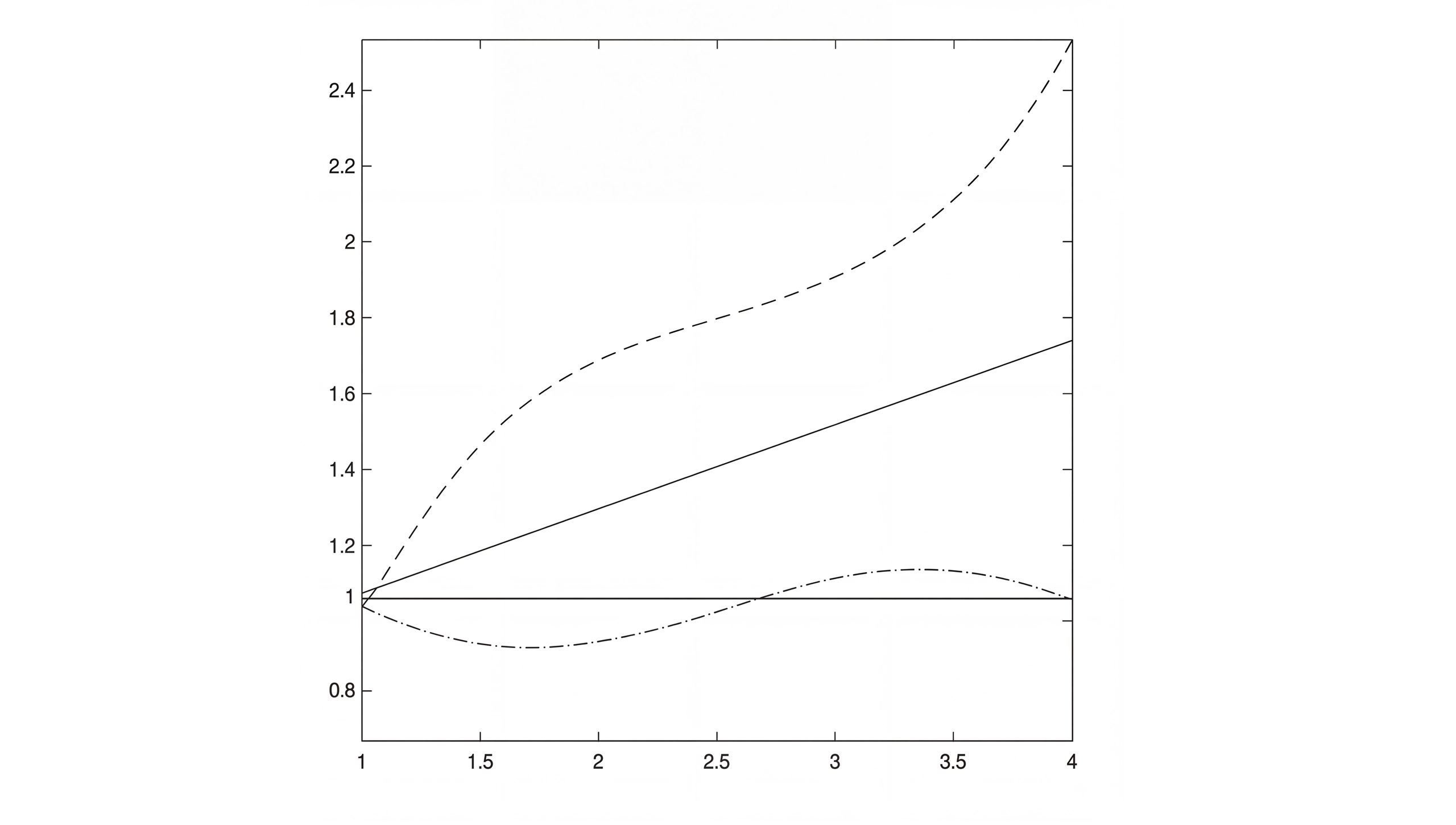
Note. Physical and emotional exhaustion was modelled by restricted cubic splines using a repeated measures linear mixed model and adjusted by the variables worry, concentration disruption, and enthusiastic commitment.
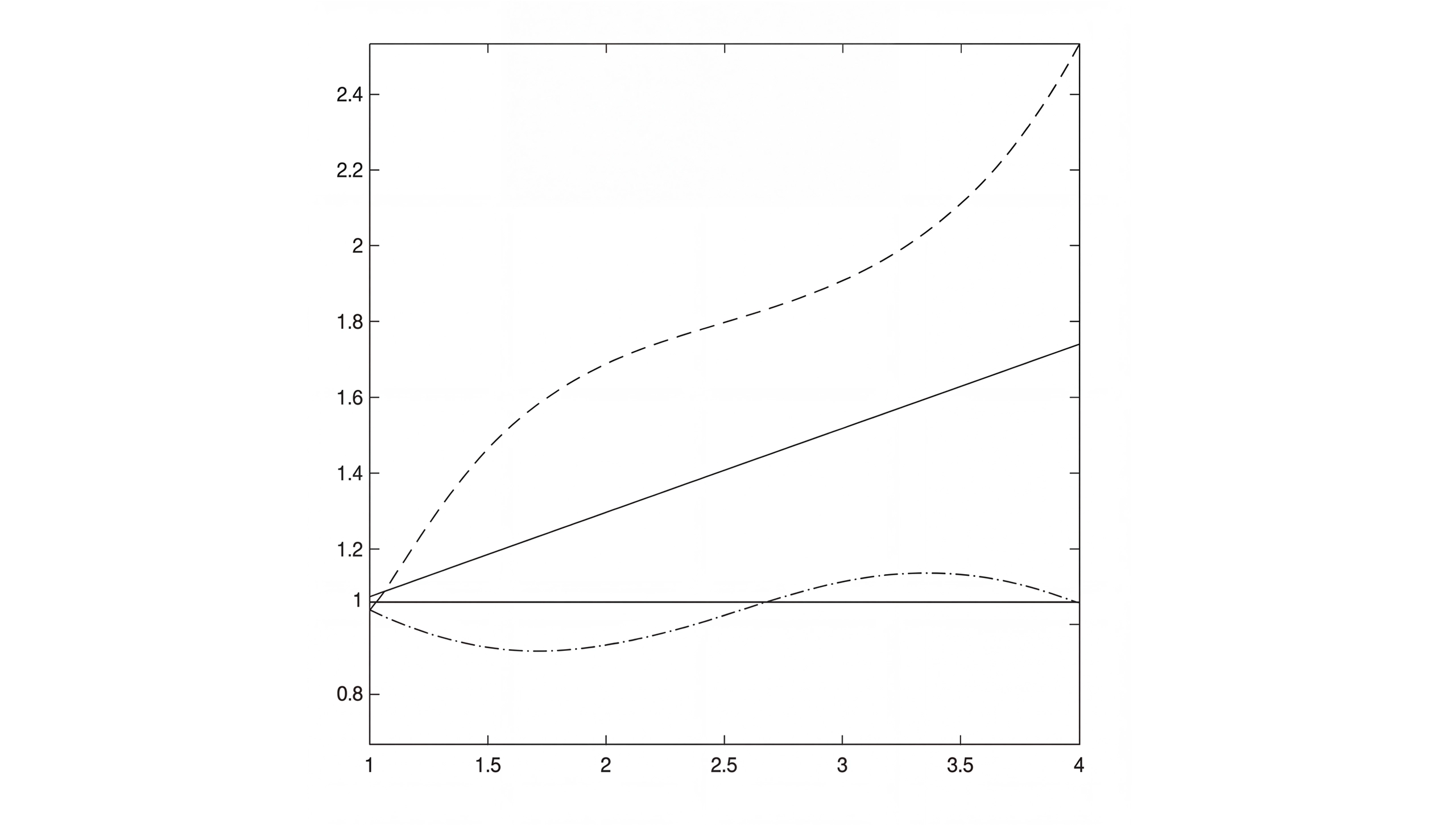
Note. Physical and emotional exhaustion was modelled by restricted cubic splines using a repeated measures linear mixed model and adjusted by the variables somatic anxiety, concentration disruption, and enthusiastic commitment.
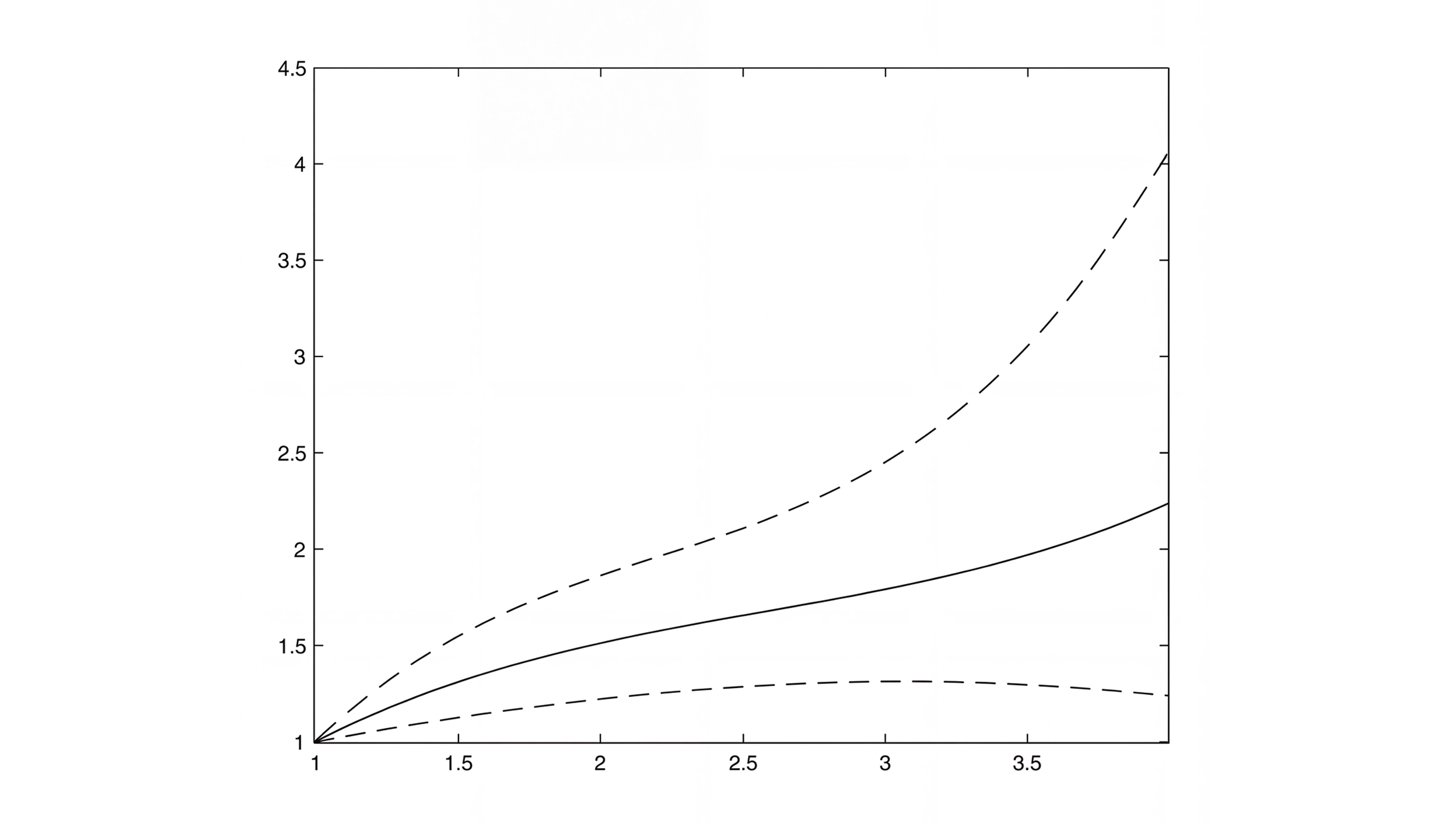
Note. Physical and emotional exhaustion was modelled by restricted cubic splines using a repeated measures linear mixed model and adjusted by the variables somatic anxiety, worry and enthusiastic commitment.
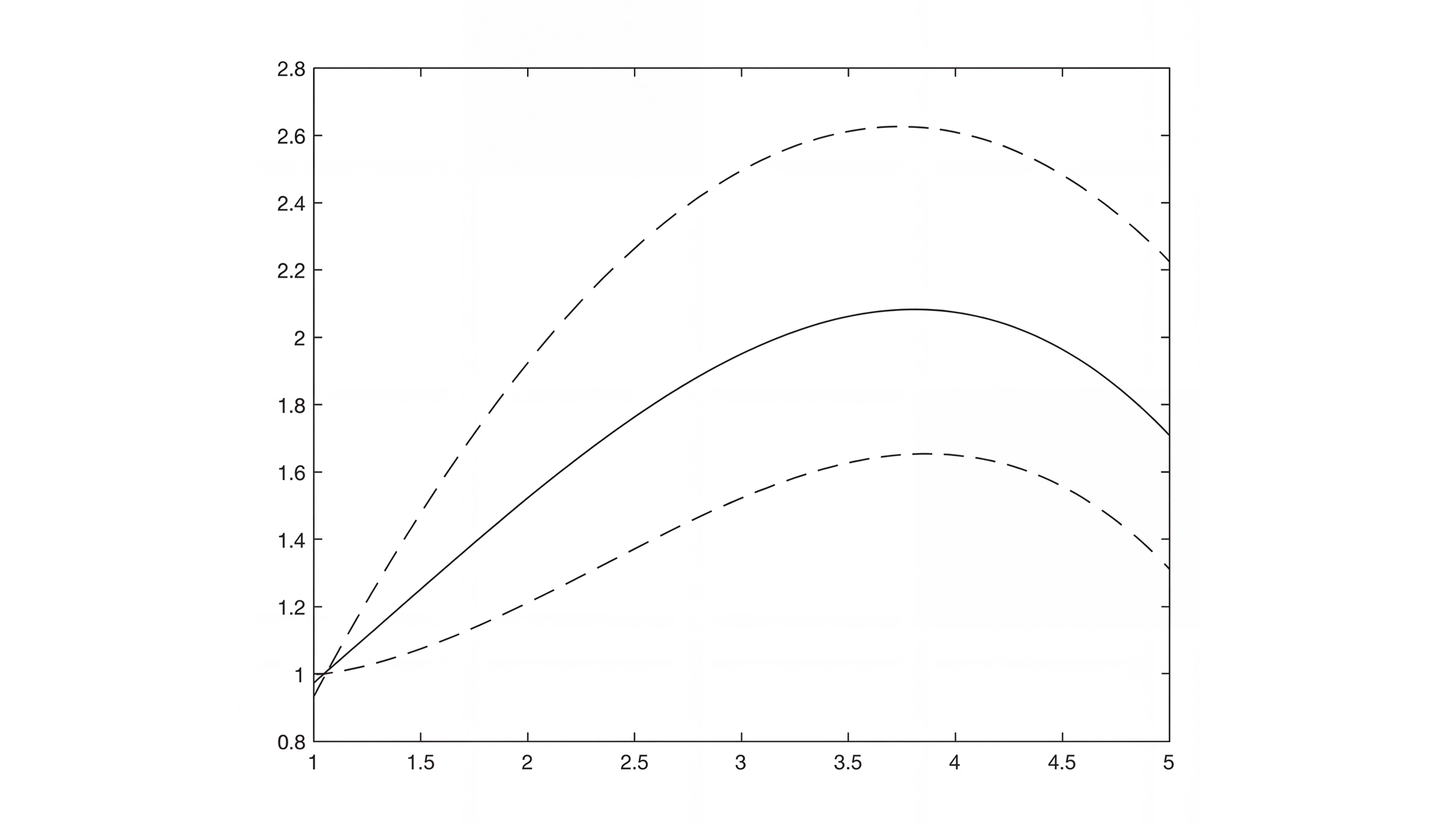
Note. Physical and emotional exhaustion was modelled by restricted cubic splines using a repeated measures linear mixed model and adjusted by the variables somatic anxiety, worry and enthusiastic commitment.
Discussion
This study explored the progression of physical and emotional exhaustion among high-level adolescent swimmers throughout a competitive season and its associations with competitive anxiety and sport commitment. A secondary aim was to examine how demographic (age, sex) and performance-related factors (category and competitive level) moderated these dynamics. The findings provide valuable insights into how motivation, stress, and fatigue interact in elite youth sport, offering both theoretical and practical implications for long-term performance and athlete well-being.
Longitudinal Patterns of Exhaustion
As expected in the first hypothesis, physical and emotional exhaustion fluctuated over the season. A decrease was observed mid-season (T2), followed by a notable increase by the end (T3). These trends reflect the cumulative effects of training intensity and competitive stress. Mid-season reductions may relate to tapering, workload adjustments, or improved coping, while the spike at season’s end likely stems from increased psychological pressure and physical load during key competitions. These seasonal fluctuations in exhaustion are broadly consistent with recent evidence linking burnout trajectories to competitive performance indicators in youth and adult samples (Olsson et al., 2025), reinforcing the idea that monitoring exhaustion over time is crucial for both performance optimization and athlete retention.
These findings align with the cumulative stress and recovery model (Kellmann, 2002). Initial motivation may serve as a psychological buffer, but sustained exposure without sufficient recovery leads to fatigue accumulation. This reinforces the importance of integrating psychological recovery phases, not just physical tapering, into seasonal training plans.
Anxiety, Commitment, and Exhaustion
The second hypothesis was partially supported. Somatic anxiety and worry were significantly linked to higher exhaustion, whereas concentration disruption showed a weaker association. These results indicate that physical tension and cognitive rumination—more than attentional lapses—exert greater pressure on an athlete’s energy reserves.
Multidimensional models of anxiety (Martens et al., 1990) support this distinction. Somatic symptoms and worry appear to fuel exhaustion through psychophysiological mechanisms involving sleep disruption, elevated cortisol levels, and muscular tension (Tossici et al., 2024). These findings highlight the importance of psychological strategies—such as mindfulness, relaxation, and cognitive restructuring—to mitigate the effects of anxiety and protect athletes from fatigue.
A notable outcome concerns sport commitment. Enthusiastic commitment—typically viewed as protective—was positively associated with physical and emotional exhaustion. This supports the passion paradox (Vallerand et al., 2008), where athletes driven by strong intrinsic motivation may overexert themselves, neglecting recovery and well-being in the pursuit of performance.
In this context, enthusiastic commitment becomes a double-edged sword. While it fosters engagement and resilience, it can promote unhealthy overtraining if not managed with appropriate rest. Highly committed athletes may train through pain or ignore warning signs of fatigue. Coaches must recognize that high motivation does not equal immunity from burnout.
Interestingly, coerced commitment—often associated with external pressure—did not significantly correlate with exhaustion. This suggests that external demands alone may not result in sustained energy depletion unless internalized. It is possible that athletes who feel externally pressured disengage earlier or invest less energy, avoiding the same cumulative fatigue patterns.
Taken together, anxiety, commitment, and exhaustion form a dynamic triangle. Competitive anxiety elevates stress, whereas excessive motivation without recovery amplifies fatigue. Interventions should therefore be holistic, addressing both psychological and motivational sources of exhaustion.
Influence of Demographics and Competition Level
Age, sex, and competitive level significantly influenced exhaustion. Younger athletes (13–14 years) reported higher early-season exhaustion, possibly due to limited experience and resilience. Older swimmers (15–16 years) showed sharper increases at season’s end, reflecting accumulated stress and rising competitive expectations.
Sex differences were also evident. Female swimmers consistently reported higher levels of exhaustion throughout the season. These results align with existing literature on adolescent female vulnerability to emotional stress, influenced by hormonal, social, and psychological factors (Wilczyńska et al., 2022). Such differences highlight the importance of sex-sensitive coaching and mental health support.
Swimmers at national competitive levels exhibited greater exhaustion, particularly at the end of the season. High-performance contexts involve greater physical demands and psychological pressure, requiring well-planned recovery protocols and emotional support systems. These findings suggest that elite adolescent athletes face similar psychological risks to adult professionals, despite being in developmental stages.
Practical Implications
These findings offer several practical applications. First, fatigue should be monitored multidimensionally using both physical indicators and psychological assessments. Regular mood check-ins, well-being scales, and discussions with athletes can help identify early signs of exhaustion before performance declines or dropout occurs.
Second, coaches and support staff must understand that enthusiasm can conceal underlying fatigue. High-commitment athletes are not necessarily low-risk; in fact, their strong internal drive may predispose them to silent overtraining. Encouraging open communication and normalizing recovery is essential.
Third, sport organizations should embed psychological support into youth training programs. Access to mental skills coaching, mindfulness workshops, and education on emotion regulation may reduce the burden of competitive anxiety and improve athletes’ self-management.
Moreover, motivational balance should be cultivated. Athletes must learn to align ambition with self-care, recognizing that sustainable progress depends on both effort and recovery. Coaches should foster environments where personal development is valued alongside performance.
Lastly, age- and sex-specific interventions are necessary. Younger athletes benefit from guidance and stress-coping training. Older swimmers may need support in managing the cumulative demands of competition. Female athletes may require emotional support strategies tailored to their specific stress responses. Competitive level should also inform recovery planning, especially for athletes facing elite demands.
Limitations and Future Research
This study has some limitations. The use of self-report instruments, while common in psychological research, can introduce bias. Future studies should incorporate objective physiological markers of fatigue, such as HRV, sleep patterns, or biochemical indicators, to provide a more robust understanding of exhaustion.
Additionally, the sample consisted solely of Spanish swimmers, which may limit generalizability. Cultural, structural, and coaching differences across countries could affect how adolescent athletes experience stress and burnout. Comparative international studies are needed to clarify how these factors vary by context.
The study covered a single competitive season. While this longitudinal design offers strength over cross-sectional studies, extending the analysis across multiple seasons would allow examination of whether fatigue patterns persist, evolve, or diminish over time. Such data could help identify critical windows for intervention.
Further research is needed to explore how external factors—such as academic load, family dynamics, or social support—interact with psychological variables. A biopsychosocial framework could capture the complex realities of young athletes’ lives and inform more personalized intervention models.
In addition, although the Athlete Burnout Questionnaire assesses three dimensions, the present study focused exclusively on physical and emotional exhaustion. This choice is consistent with the central role of exhaustion in burnout theory and research (Raedeke y Smith, 2001; Gustafsson et al., 2018), but it restricts the scope of our conclusions to this core component and future studies should examine whether similar patterns emerge for reduced sense of accomplishment and sport devaluation.
The longitudinal design was also affected by natural attrition between T1 and T3. Despite our efforts to minimize dropout through repeated reminders and clear communication, some swimmers did not complete all waves, and a small number of demographic responses (competitive category and level) were recorded in a non-interpretable format due to the open-response nature of these items. Although the main psychological variables were complete and mixed-model procedures are relatively robust to missing data, the results should be generalized to all initially eligible swimmers with appropriate caution. Finally, the study was not designed as a specific pre-post comparison between T1 and T3, but rather as a multi-wave analysis of trajectories; future research may integrate both types of analysis to provide a more complete picture of seasonal changes.
Conclusions
This longitudinal study offers valuable insights into the progression of physical and emotional exhaustion among high-level adolescent swimmers, underscoring the dynamic interplay between psychological, motivational, and demographic factors throughout a competitive season. The findings highlight the need for a nuanced, athlete-centered approach to managing fatigue and promoting well-being in youth sport.
First, the results confirmed a cyclical pattern of exhaustion, where energy levels improve briefly mid-season but increase sharply as competition intensifies. This seasonal fluctuation emphasizes the importance of timely intervention, not only during peak phases but throughout the training calendar.
Second, competitive anxiety—particularly somatic symptoms and worry—emerged as key predictors of exhaustion. Interventions that address both physical stress responses and cognitive rumination may help buffer athletes against chronic fatigue.
Third, the paradox of enthusiastic commitment challenges traditional assumptions about motivation. While intrinsic motivation fosters persistence, it may also increase the risk of overtraining if not accompanied by structured recovery strategies. Coaches must be attentive to signs of invisible fatigue in highly driven athletes.
Fourth, demographic and competitive factors, including age, sex, and competitive level, significantly influenced exhaustion trajectories. These findings call for tailored support frameworks that reflect each athlete’s specific developmental and performance context.
Finally, this study offers clear practical recommendations. Coaches and sport psychologists should collaborate to create psychologically informed training programs that balance performance with recovery. Mental health literacy, stress management education, and individualized monitoring can contribute to healthier and more sustainable athletic development.
By addressing these factors holistically, support teams can foster environments where young athletes not only perform but thrive.
Acknowledgments
The authors acknowledge the use of OpenAI’s Scholar GPT as an assistive tool for supporting literature review, linguistic refinement, and manuscript support during manuscript preparation. All scientific analyses, interpretations, and conclusions remain the sole responsibility of the authors.
References
[1] Arce, C., de Francisco, C., Andrade, E., Arce, I., & Raedeke, T. (2010). Adaptación española del Athlete Burnout Questionnaire (ABQ) para la medida del burnout en futbolistas. Psicothema, 22(2), 250-255. www.redalyc.org/articulo.oa?id=72712496012
[2] Berki, T., Piko, B., & Page, R. M. (2020). Sport commitment profiles of adolescent athletes: Relation between health and psychological behaviour. Journal of Physical Education and Sport, 20(3), 1392–1401. doi.org/DOI:10.7752/jpes.2020.03192
[3] Corrales, D. M., & Olaya-Cuartero, J. (2022). Analysis of school-age dropout in endurance sports: a systematic review. Journal of Physical Education and Sport, 22(2), 311–320. doi.org/10.7752/JPES.2022.02040
[4] Curran, T., Appleton, P. R., Hill, A. P., & Hall, H. K. (2011). Passion and burnout in elite junior soccer players: The mediating role of self-determined motivation. Psychology of Sport and Exercise, 12(6), 655–661. doi.org/10.1016/J.PSYCHSPORT.2011.06.004
[5] Dobson, J., Harris, B., Claytor, A., Stroud, L., Berg, L., & Chrysosferidis, P. (2020). Selected Cardiovascular and Psychological Changes Throughout a Competitive Season in Collegiate Female Swimmers. Journal of Strength and Conditioning Research, 34(11), 3062–3069. doi.org/10.1519/JSC.0000000000003767
[6] Field, A. (2024). Discovering statistics using IBM SPSS statistics. Sage publications limited.
[7] Giusti, N. E., Carder, S. L., Vopat, L., Baker, J., Tarakemeh, A., Vopat, B., & Mulcahey, M. K. (2020). Comparing Burnout in Sport-Specializing Versus Sport-Sampling Adolescent Athletes: A Systematic Review and Meta-analysis. Orthopaedic Journal of Sports Medicine, 8(3). doi.org/10.1177/2325967120907579
[8] Goodwin, K. A., & Goodwin, C. J. (2016). Research in psychology: Methods and design. John Wiley & Sons.
[9] Gustafsson, H., Madigan, D. J., & Lundkvist, E. (2018). Burnout in Athletes in Fuchs, R., Gerber, M. (eds), Handbuch Stressregulation und Sport. Springer Reference Psychologie(pp. 489–504). Springer, Berlin, Heidelberg. doi.org/10.1007/978-3-662-49322-9_24
[10] Hofmann, D. A., Griffin, M. A., & Gavin, M. B. (2000). The application of hierarchical linear modeling to organizational research in K. J. Klein & S. W. J. Kozlowski (Eds.), Multilevel theory, research, and methods in organizations: Foundations, extensions, and new directions (pp. 467–511). Jossey-Bass/Wiley.
[11] Karlsson, R. (2022). Mental skills in Norwegian elite swimmers: A cross-sectional study to investigate the sport specific mental skills of national elite swimmers and differences across gender and age [Master’s thesis, Norwegian School of Sport Sciences]. hdl.handle.net/11250/3017253
[12] Kellmann, M. (2002). Enhancing recovery: Preventing underperformance in athletes. Human Kinetics.
[13] Martens, R., Vealey, R. S., & Burton, D. (1990). Competitive anxiety in sport. Human Kinetics.
[14] Martin, J., Byrd, B., Hew-Butler, T., & Moore, E. W. G. (2022). A longitudinal study on the psychological and physiological predictors of burnout in NCAA collegiate swimmers. Journal of Applied Sport Psychology, 34(6), 1295–1311. doi.org/10.1080/10413200.2021.1974603
[15] McDonough, M. H., Hadd, V., Crocker, P. R. E., Holt, N. L., Tamminen, K. A., & Schonert-Reichl, K. (2013). Stress and Coping Among Adolescents Across a Competitive Swim Season. The Sport Psychologist, 27(2), 143–155. doi.org/10.1123/TSP.27.2.143
[16] Morano, M., Robazza, C., Ruiz, M. C., & Bortoli, L. (2022). Sport Participation in Early and Middle Adolescence: The Interplay Between Self-Perception and Psychobiosocial Experiences in Predicting Burnout Symptoms. Frontiers in Psychology, 13, 855179. doi.org/10.3389/fpsyg.2022.855179
[17] Olsson, L. F., Glandorf, H. L., Black, J. F., Jeggo, R. E., Stanford, J. R., Drew, K. L., & Madigan, D. J. (2025). A multi-sample examination of the relationship between athlete burnout and sport performance. Psychology of Sport and Exercise, 76, 102747. doi.org/10.1016/j.psychsport.2024.102747
[18] Pan, Y., Yu, X., & Yue, Y. (2024). Anxiety and sportsmanship in adolescent athletes: the multiple mediating effects of athlete burnout and exercise cognition. International Journal of Sport and Exercise Psychology, 23(3), 359–374. doi.org/10.1080/1612197X.2024.2312439
[19] Ponseti, F. J., Sesé, A., & García-Mas, A. (2016). The impact of competitive anxiety and parental influence on the performance of young swimmers. Revista Iberoamericana de Psicología del Ejercicio y el Deporte, 11(2), 229–237.
[20] Raedeke, T. D., & Smith, A. L. (2001). Development and Preliminary Validation of an Athlete Burnout Measure. Journal of Sport and Exercise Psychology, 23(4), 281–306. doi.org/10.1123/JSEP.23.4.281
[21] Ramis, Y., Torregrosa, M., Viladrich, C., & Cruz, J. (2010). Adaptación y validación de la versión española de la Escala de Ansiedad Competitiva SAS-2 para deportistas de iniciación. Psicothema, 22, 1004-1009.
[22] Sánchez-Miguel, P. A., Chow, G. M., Sousa, C., Scanlan, T. K., Ponseti, F. J., Scanlan, L., & García-Mas, A. (2019). Adapting the Sport Commitment Questionnaire-2 for Spanish Usage. Perceptual and Motor Skills, 126(2), 267–285. doi.org/10.1177/0031512518821822
[23] Scanlan, T. K., Chow, G. M., Sousa, C., Scanlan, L. A., & Knifsend, C. A. (2016). The development of the Sport Commitment Questionnaire-2 (English version). Psychology of Sport and Exercise, 22, 233–246. doi.org/10.1016/J.PSYCHSPORT.2015.08.002
[24] Smith, R. E., Smoll, F. L., Cumming, S. P., & Grossbard, J. R. (2006). Measurement of Multidimensional Sport Performance Anxiety in Children and Adults: The Sport Anxiety Scale-2. Journal of Sport and Exercise Psychology, 28(4), 479–501. doi.org/10.1123/JSEP.28.4.479
[25] Snijders, T. A. B., & Bosker, R. (2011). Multilevel analysis: An introduction to basic and advanced multilevel modeling (2nd ed.). Sage.
[26] Tian, S., & Sun, G. (2024). Relationship between self-concept clarity, mental toughness, athlete engagement, and athlete burnout in swimmers during and after the COVID-19 pandemic. International Journal of Sport and Exercise Psychology, 22(6), 1401–1418. doi.org/10.1080/1612197X.2023.2224824
[27] Tossici, G., Zurloni, V., & Nitri, A. (2024). Stress and sport performance: a PNEI multidisciplinary approach. Frontiers in Psychology, 15, 1358771. doi.org/10.3389/fpsyg.2024.1358771
[28] Trinidad, A. (2024). Variables and instruments to evaluate mental health in competitive swimmers: a narrative review [version 3; peer review: 2 approved]. F1000Research, 12. doi.org/10.12688/f1000research.140504.3
[29] Vacher, P., Nicolas, M., Martinent, G., & Mourot, L. (2017). Changes of swimmers’ emotional states during the preparation of national championship: Do recovery-stress states matter? Frontiers in Psychology, 8, 1043 doi.org/10.3389/fpsyg.2017.01043
[30] Vallerand, R. J., Mageau, G. A., Elliot, A. J., Dumais, A., Demers, M. A., & Rousseau, F. (2008). Passion and performance attainment in sport. Psychology of Sport and Exercise, 9(3), 373–392. doi.org/10.1016/J.PSYCHSPORT.2007.05.003
[31] West, B.T., Welch, K.B., & Galecki, A.T. (2014). Linear Mixed Models: A Practical Guide Using Statistical Software. (2nd ed.). Chapman and Hall/CRC. doi.org/10.1201/b17198
[32] Wilczyńska, D., Walczak-Kozłowska, T., Alarcón, D., Zakrzewska, D., & Jaenes, J. C. (2022). Dimensions of Athlete-Coach Relationship and Sport Anxiety as Predictors of the Changes in Psychomotor and Motivational Welfare of Child Athletes after the Implementation of the Psychological Workshops for Coaches. International Journal of Environmental Research and Public Health, 19(6), 3462. doi.org/10.3390/IJERPH19063462
[33] Zhang, J., Sun, J., Zhou, Y., Gong, L., & Huang, S. (2025). The effect of mindfulness training on the psychological state of high-level athletes: Meta analysis and system evaluation research. Journal of Sports Sciences, 43(6), 600–622. doi.org/10.1080/02640414.2025.2468997
ISSN: 2014-0983
Received: July 18, 2025
Accepted: December 18, 2025
Published: July 1, 2026
Editor: © Generalitat de Catalunya Departament de la Presidència Institut Nacional d’Educació Física de Catalunya (INEFC)
© Copyright Generalitat de Catalunya (INEFC). This article is available from url https://www.revista-apunts.com/. This work is licensed under a Creative Commons Attribution-NonCommercial-NoDerivatives 4.0 International License. The images or other third party material in this article are included in the article’s Creative Commons license, unless indicated otherwise in the credit line; if the material is not included under the Creative Commons license, users will need to obtain permission from the license holder to reproduce the material. To view a copy of this license, visit https://creativecommons.org/licenses/by-nc-nd/4.0/deed.en


