Polar Coordinates to Study Three-Point Shooting in Professional Basketball: Analysis of the Finalist Teams in EuroBasket 2022
Juan Pablo Morillo-Baro

Arturo Aguilera-Bueno
Montserrat Caballero-Cerbán
Diego Arvizu-Lozoya
Antonio Hernández-Mendo
Verónica Morales-Sánchez
*Corresponding author: Juan Pablo Morillo-Baro juanpablo.morillo@gmail.com
Cite this article
Morillo-Baro, J. P., Aguilera-Bueno, A., Caballero-Cerbán, M., Arvizu-Lozoya, D., Hernández-Mendo, A., & Morales-Sánchez, V. (2026). Polar coordinates to study three-point shooting in professional basketball: Analysis of the finalist teams in EuroBasket 2022.Apunts. Educación Física y Deportes, 164, 73-81. https://doi.org/10.5672/apunts.2014-0983.es.2026.164.07
Abstract
The three-point shot has become increasingly important in modern basketball, and today the professional game is inconceivable without technical-tactical work aimed at resolving the offensive phase beyond the 6.75-meter line. The aim of this study was to analyze three-point shooting situations in professional basketball and their relationship with different offensive technical-tactical actions. To this end, a Polar Coordinates analysis was conducted using the positions of the players taking the shots as focal behaviors, allowing a comparison of results between the Spanish and French men’s basketball teams at EuroBasket 2022. The ad hoc observation tool developed for this study successfully passed the data quality and generalizability analyses required in observational methodology. A total of 228 offensive actions were recorded, with the unit of observation being the offensive play that ended with a three-point shot. The results revealed the behavioral trends of each team in this specific game situation. The French team mainly sought pick and pop situations, while the Spanish players relied more on direct blocks to generate favorable shooting positions.
Introduction
In recent years, basketball has undergone a significant transformation in its tactical approach, with the three-point shot emerging as a fundamental tool in teams’ offensive play. Within the field of research on the tactical aspects of the game, several studies have emphasized the importance of the three-point shot in offensive systems (Gou & Zhang, 2022). At present, the three-point shot is increasingly becoming one of the primary options in offensive strategies, reflecting a shift in game dynamics toward a greater emphasis on long-distance shooting. Although traditionally associated with small forwards and shooting guards, today virtually any player can assume this role, underscoring both the versatility of the skill and its relevance in the current context of basketball. Consequently, analyzing the three-point shot and maximizing its performance is essential for coaches to design offensive strategies aimed at creating optimal shooting situations (Suárez-Cadenas & Courel-Ibáñez, 2017).
The finalization of possessions in basketball has been examined from a technical and statistical perspective in order to identify performance indicators (Romarís et al., 2013), and more recently from a tactical perspective, as demonstrated in the studies by Nunes et al. (2021) and Pastrana-Brincones et al. (2021). This perspective specifically underscores the importance of maximizing the effectiveness of the three-point shot through strategies deliberately designed to create optimal shooting opportunities. Junoy (2009) emphasized the effectiveness of the three-point shot as a tactic to break down defenses, highlighting its ability to generate space and destabilize the opponent’s defensive structure. This view suggests that the three-point shot not only contributes directly to scoring, but also exerts a substantial influence on the creation of broader offensive opportunities. Moreover, the necessity of adjusting defensive systems and refining individual technique at this stage of the game becomes evident, as the evolution of both individual and collective speed, coordination, and decision-making has extended the zones of scoring influence beyond the 6.75-meter line, turning the three-point shot into a genuine threat that must be neutralized.
Observational Methodology (OM) has been established as one of the most appropriate tools for studying sport when the aim is to analyze it within its natural context and dynamics (Anguera & Hernández-Mendo, 2013, 2014). This methodology is characterized by both flexibility and rigor: it allows the ad hoc design of observation tools tailored to each specific situation, while ensuring scientific rigor through the requirement of prior data quality analysis. This guarantees that the data obtained can be reliably extrapolated to subsequent game situations. OM has long been used to obtain valid data and to conduct game analysis in team sports (Anguera & Hernández-Mendo, 2015).
From an observational perspective, Polar Coordinates analysis reveals the relationships between behaviors during the interactions that occur among participants throughout the game (Ávila-Moreno et al., 2018). This technique produces behavioral indicator vectors and establishes activation or inhibition relationships between a focal behavior and the other categories included in the observation tool. Polar Coordinates are grounded in Sequential Analysis (Gorospe & Anguera, 2000), which requires calculating vector values as well as the vector angle, which depends on the quadrant where it is located and determines the nature of the activation or inhibition relationship between behaviors (Castellano & Hernández-Mendo, 2003). The significance level was 2.45, in accordance with the methodological correction proposed by Rodríguez-Medina et al. (in Press).
This technique has been successfully applied in similar studies, both in basketball (Pastrana-Brincones et al., 2021; Morillo-Baro et al., 2020, 2021) and in other team sports (Vázquez-Diz et al., 2019; Jiménez-Salas et al., 2022; Morillo-Baro et al., 2022). Evidence from this body of research has demonstrated that technical-tactical analysis of competitive game situations deepens the understanding of the sport and assists coaches and technical staff in optimizing the planning and development of training to enhance performance. Accordingly, the aim of the present study was to use Polar Coordinates analysis to identify the relationships established between offensive technical-tactical completion behaviors and the three-point shooters of the Spanish and French basketball teams.
Materials and Methods
Research Design
The study was conducted using OM within the theoretical framework of mixed methods (Anguera et al., 2014). Following the classic structure of observational designs (Anguera et al., 2000), data recording was framed within quadrant IV, taking into account the features of nomothetic, follow-up, and multidimensional designs (Anguera et al., 2011).It is considered nomothetic because it involved the observation of members from two teams; follow-up because there was temporal continuity across the different matches throughout the tournament; and multidimensional because of the plurality of categories incorporated into the validated ad hoc instrument.
Participants
Of the 24 teams that participated in EuroBasket 2022, held from 1 to 18 September in Germany, the Czech Republic, Georgia, and Italy, the two finalist teams, the French and Spanish men’s national basketball teams, were selected for analysis. A total of eight matches were observed, four from each team. The number of observations was determined based on the generalizability analysis conducted. The matches analyzed correspond to the knockout phase, beginning with the round of 16 (Table 1), which represents the decisive stage of the competition.

Informed consent from the athletes was not required, as this was an observational study based on publicly available information and conducted in accordance with the basic ethical principles for research involving human subjects outlined in the Belmont Report (Office for Human Research Protections, 1979).
Instruments
The HOISAN software (Hernández-Mendo et al., 2012b, 2014) was used for data recording, coding, data quality analysis, and Polar Coordinates analysis. For the application of Generalizability Theory, the SAGT software (Hernández-Mendo et al., 2012a, 2016) was employed. The ad hoc observation tool was designed by combining the field format with exhaustive and mutually exclusive category systems (Anguera, 1979), and it successfully passed the data quality tests required in OM (Morillo-Baro & Hernández-Mendo, 2015). The tool consists of six criteria and 32 categories (Table 2).
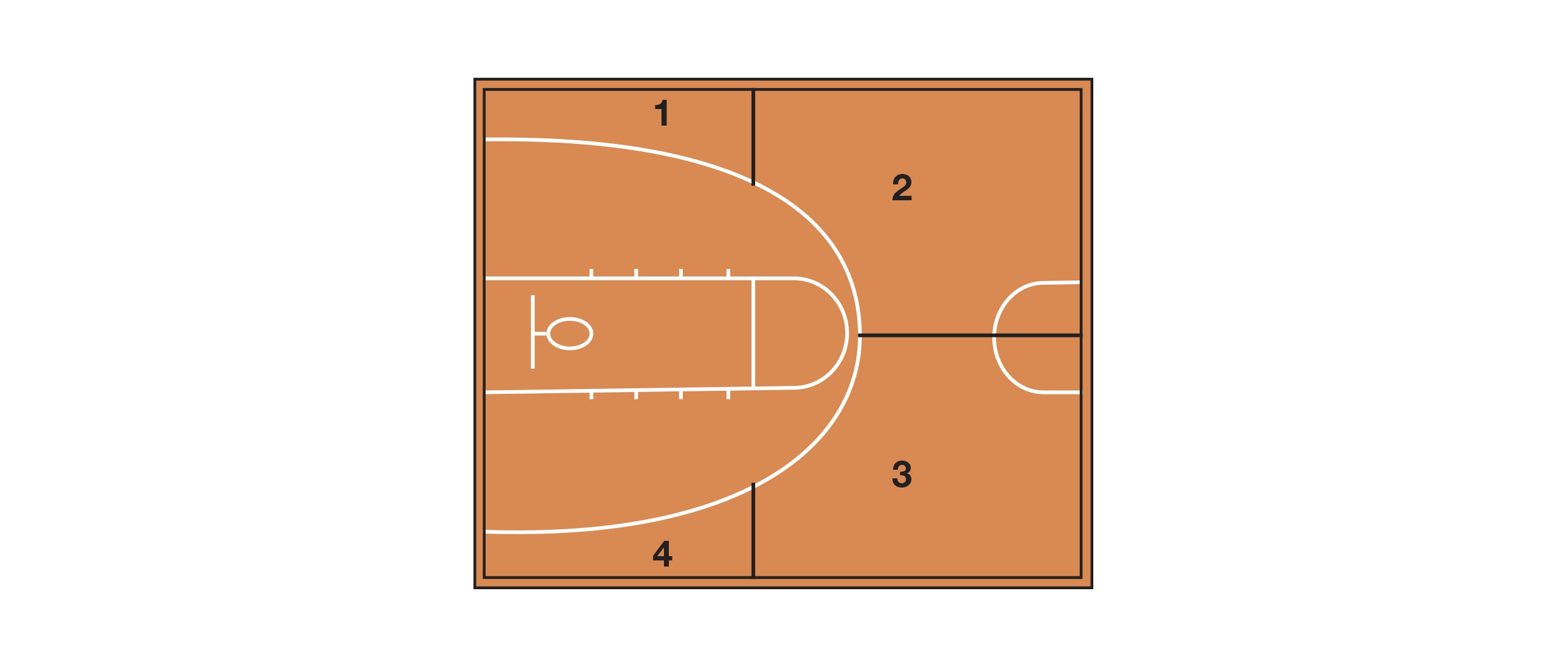
Figure 1 shows the shooting zones referred to in criterion 4 (ZONLAN: shooting area).
Procedure
The tool was designed by professional experts in the discipline. To assess data quality, both qualitative and quantitative aspects of the research process were considered (Blanco-Villaseñor et al., 2003). Regarding the qualitative component, consensual concordance (Anguera, 1990, 2003) was applied, whereby criteria and categories were discussed to define the final design of the tool, and an observation protocol previously agreed upon by the observers was implemented. From the quantitative perspective, two correlation coefficients and a concordance index were calculated to determine observer reliability (Table 3). Interobserver reliability was assessed using data from one match recorded by two observers, after which one of the observers analyzed the same match again after fifteen days to obtain intraobserver agreement results.
Subsequently, as in other studies conducted with OM (Pastrana-Brincones et al., 2021), generalizability analysis (Blanco-Villaseñor et al., 2014) was performed using the SAGT 1.0 software (Hernández-Mendo et al., 2012a, 2016). To assess intraobserver and interobserver reliability, a two-facet design of category and observer (C/O) was applied, showing in both cases that variability was highly associated with the facet categories (99.047%). The relative and absolute G coefficients yielded an index of .995. In addition, the homogeneity of the categories was evaluated to validate the observational tool, using a two-facet design of observer and category (O/C). The results indicated that the generalizability coefficients obtained for this design were .000, and therefore excellent in the sense of showing the categories as differentiating. To estimate the minimum number of matches required for accurate generalization, a two-facet design of categories and matches (C/P) was employed. Table 4 presents the evolution of the generalizability index as the number of matches analyzed increases.
Once each match had been reviewed and the data recorded, a Polar Coordinates analysis was conducted with HOISAN (Hernández-Mendo et al., 2012b, 2014) for each category of all observations. This analysis generates behavioral vectors and establishes activation or inhibition relationships between a focal behavior and the other categories included in the observation tool. Each quadrant of the Polar Coordinates analysis is defined by the following characteristics (Castellano & Hernández-Mendo, 2003):
Quadrant I: [+,+]: The focal behavior excites the associated behavior in both retrospective and prospective perspectives.
Quadrant II: [–,+]: The focal behavior excites the associated behavior in the retrospective perspective but inhibits it in the prospective perspective.
Quadrant III: [–,–]: The focal behavior inhibits the associated behavior in both retrospective and prospective perspectives.
Quadrant IV: [+,–]: The focal behavior excites the associated behavior in the prospective perspective but inhibits it in the retrospective perspective.
The following categories were chosen as focal behaviors: BLAN: playmaker throws; ELAN: shooting guard throws; ALAN: small forward throws; APLAN: power forward throws; and PLAN: center throws. Finally, the graphical representation of the Polar Coordinates analysis vectors was optimized using an algorithm created in R by Rodríguez-Medina et al. (2019, 2021).
Results
The results of the Polar Coordinates analysis for the five selected focal behaviors are presented in Table 5. For the focal behavior of the power forward, the analysis was conducted; however, no significant associated behaviors were identified for either of the two national teams.
Table 5
Significant relationships and graphical representation of the vectors in each of the quadrants
In Quadrant I, playmaker throws, used as focal behavior in the French team, were related to the associated behavior small forward passes and successful scoring. No significant associations were found in the Spanish team.
In Quadrant II, the results for the focal behavior playmaker throws in the Spanish team revealed no activation of behaviors, while in the French team the playmaker passes behavior appeared with the highest intensity (3.21). For the focal behavior shooting guard throws, no significant associations were found with Spain; however, with France there was activation of the nobody passes behavior. In this same quadrant, the focal behavior small forward throws in the Spanish team activated left back zone shots, with a vector module intensity of 3.29, whereas in the French team it excited pick and pop actions. For the last focal behavior, center throws, the Spanish team showed activation of small forward passes and direct block start, while the French team activated power forward passes.
In Quadrant III, when the focal behavior is playmaker throws, in the Spanish team there was an inhibitory relationship with the category shooting guard passes. This was the only significant relationship found in this quadrant. For the rest of the focal behaviors, no coinciding relationships were identified in either team.
In Quadrant IV, no significant associations were found in the Spanish team using playmaker throws as focal behavior, while in the French team it inhibited the nobody passes behavior in the retrospective perspective and activated it in the prospective perspective. For the focal behavior small forward throws, only right back zone shooting behavior was inhibited in the Spanish team, whereas no significant associations were identified for the French team. Finally, with center throws as the focal behavior, the Spanish team showed inhibition in the retrospective perspective of indirect block exit and pressing defense; and activation in the prospective perspective. In contrast, no significant associations were found in the French team.
Discussions
The aim of this research was to analyze the relationships established between the actions preceding the three-point shot in professional basketball. Specifically, the shooting zones, the actions of the opposing defense, and the player positions executing shots from beyond the 6.75-meter line were examined. Polar Coordinates analyses were performed on the match records of the Spanish and French men’s national teams at EuroBasket 2022. The results revealed the relationships among the behaviors studied, confirming this approach as a useful technique for the tactical analysis of competitive game situations.
Analysis of offensive play in recent decades has shown an evolution in the use of three-point shots, from being a rare occurrence to becoming a fundamental part of offensive strategy (Zając et al., 2023). This evolution in NBA basketball can also be observed in FIBA basketball (Foteinakis & Pavlidou, 2024), where the three-point line is closer to the basket. Data from reports show a steady increase in their frequency of use and effectiveness (FIBA & WABC, 2020). However, in youth basketball, sequences are less effective (Amatria et al., 2024). The difference, then, lies in how each team structures its offensive procedures to achieve these three-point shooting situations. The players involved, the means of collaboration used, and the use of specific zones describe each team’s tendency.
The outcomes of the Polar Coordinates analysis demonstrated significant associations between the focal behaviors selected and the remaining behaviors included in the observation tool, although these differed between the two teams. For example, it is noteworthy that players on the French national team occupying the playmaker position, traditionally considered a game-management role, exhibited a greater number of significant relationships than players in other positions.
The results indicated that the playmaker position was highly effective in orchestrating offensive play. France’s performance was particularly successful when the playmaker contributed to both the creation and completion of attacking actions.
In contrast, the analysis of the Spanish team revealed different tendencies. The significant behaviors identified suggested that the Spanish playmaker’s play was more oriented toward individual finishing actions, including those following steals. Conversely, the offensive performance of the shooting guard appeared to fall short of expectations, given the traditional responsibilities of this position in facilitating offensive development. With respect to the small forward position, differences between the two teams were again evident: the French team frequently executed shots after pick and pop situations.
Finally, the analyses concerning inside players (power forwards and centers), who are increasingly attempting more shots from perimeter areas (Rolland et al., 2020), did not provide evidence supporting this trend for power forwards at this EuroBasket for either team. On the other hand, the centers demonstrated substantial involvement in perimeter play in both Spain and France teams: The Spanish centers frequently attempted shots after on-ball screens and engaged in associative play between posts, whereas the French centers were highly effective in converting three-point shots, establishing connections with their power forwards. The importance of the on-ball screen (Muñoz et al., 2015; Nunes et al., 2015) for creating open looks for centers is noteworthy, as highlighted by Serna et al. (2021) as a means of breaking down compact defenses. As noted by Morillo-Baro et al. (2021), these findings reflect the growing trend of inside players finishing possessions further from the hoop and attempting a greater volume of three-point shots, although their optimal scoring zone continues to be near the basket.
One limitation of this study is that the observations were conducted exclusively during the knockout stage, which raises the question of whether the two teams displayed similar tactical patterns during the group stage. Furthermore, it would also be relevant to incorporate additional criteria into the analysis tool, which could provide greater depth in examining technical-tactical aspects. Therefore, future research would benefit from exploring the defensive schemes of the opposing team and their impact on players’ decision-making regarding three-point shot attempts. Likewise, it would be valuable to analyze the tactical structures for three-point shooting in relation to contextual variables such as score differential and time remaining in the game, as well as to compare these findings with other competitive contexts, including professional club competitions and women’s basketball.
Conclusions
The results revealed certain similarities between the two teams in their approach to three-point shooting, once again highlighting its importance in modern basketball (Foteinakis & Pavlidou, 2024). Regarding the technical-tactical construction of the three-point shot, the French team adopted a more innovative approach, frequently employing pick and pop actions, while the Spanish team followed a more traditional style, resolving shots mainly after on-ball screens. In the French team, this responsibility was primarily assumed by the playmaker. Both teams demonstrated a clear understanding of three-point shot opportunities when the opposing defense was set in defensive balance. Moreover, they acknowledged the strategic importance of involving their inside players in three-point shooting.
Through the analyses conducted, the results revealed the behavioral trends of each team in this specific game situation, providing relevant insights into the dynamics of professional basketball that can assist coaches and technical staff in designing intervention programs aimed at optimizing performance.
References
[1] Amatria, M., Arroyo, R., Arana, J., & Lapresa, D. (2024). Observational analysis of the construction of sequences that end in a shot in U14 basketball according to the players’ position. Cultura, Ciencia y Deporte, 19(62). doi.org/10.12800/ccd.v19i62.2176
[2] Anguera, M.T. (1979). Observational typology. Quality and Quantity. 13, 449–484. doi.org/10.1007/BF00222999
[3] Anguera, M.T. (1990). Metodología observacional. In: Arnau, J., Anguera M.T. y Gómez J.B. (Eds), Metodología de la investigación en las Ciencias del Comportamiento. (Observational methodology. In J. Arnau, M.T. Anguera, & J. B. Gómez Eds.), (pp. 125-238). Murcia: Universidad de Murcia. Secretariado de Publicaciones, ed.
[4] Anguera, M.T. (2003). La observación. In C. Moreno Rosset (Ed.), Evaluación psicológica. Concepto, proceso y aplicación en las áreas del desarrollo y de la inteligencia. (pp. 271-308) (Observation. In C. Moreno Rosset [Ed.], Psychological assessment. Concept, process and application in the areas of development and intelligence). Madrid: Sanz y Torres.
[5] Anguera, M.T., Blanco-Villaseñor, A., Losada, J.S., & Hernández-Mendo, A. (2000). La metodología observacional en el deporte: conceptos básicos. Observational methodology in sports: Basic concepts. Efdeportes.com Revista Digital, 24. typeset.io/pdf/la-metodologia-observacional-en-el-deporte-conceptos-basicos-4y3zzx2juu.pdf
[6] Anguera, M.T., Blanco, A., Hernández-Mendo, A., & Losada, J.L. (2011). Diseños observacionales: ajuste y aplicación en psicología del deporte. (Observational designs: Adjustment and application in sports psychology). Cuadernos de Psicología del Deporte, 11(2). 63-76. revistas.um.es/cpd/article/view/133241
[7] Anguera, M.T., Camerino, O., Castañer, M., & Sánchez-Algarra, P. (2014). Mixed methods in research on physical activity and sports. Revista de Psicología del Deporte, 23(1).
[8] Anguera, M.T., & Hernández-Mendo, A. (2013). La metodología observacional en el ámbito del deporte. Observational methodology in sports. E-balonmano.com Revista de Ciencias del Deporte 9(3).
[9] Anguera, M.T., & Hernández-Mendo, A. (2014). Observational methodology and sports psychology: State of affairs. Revista de Psicología del Deporte, 23(1), 103–109.
[10] Anguera, M.T., & Hernández Mendo, A. (2015). Técnicas de análisis en estudios observacionales en ciencias del deporte. (Data analysis techniques in observational studies in sport sciences). Cuadernos de Psicología del Deporte, 15(1), 13–30. revistas.um.es/cpd/article/view/223011
[11] Ávila-Moreno, F.M., Chirosa-Ríos, L.J., Ureña-Spá, A., Lozano-Jarque, D., & Ulloa-Díaz, D. (2018). Evaluation of tactical performance in invasion team sports: A systematic review. International Journal of Performance Analysis in Sport, 18(2), 195–216. doi.org/10.1080/24748668.2018.1460054
[12] Blanco-Villaseñor, A., Castellano, J., Hernández-Mendo, A., Sánchez-López, C.R., & Usabiaga, O. (2014). Aplicación de la TG en el deporte para el estudio de la fiabilidad, validez y estimación de la muestra. (Application of Generalizability Theory in sports for the study of reliability, validity, and sample estimation). Revista de Psicología del Deporte, 23(1), 131-137.
[13] Blanco-Villaseñor, A., Losada, J.L., & Anguera, M.T. (2003). Data analysis techniques in observational designs applied to the environment-behavior relation. Medio Ambiente y Comportamiento Humano, 4(2), 111-126.
[14] Castellano, J., & Hernández-Mendo, A. (2003). El análisis de coordenadas polares para la estimación de relaciones en la interacción motriz en fútbol. (Polar coordinates analysis for estimating relationships in motor interaction in soccer). Psicothema, 15(4). 569-574. reunido.uniovi.es/index.php/PST/article/view/8060
[15] FIBA & World Association of Basketball Coaches (WABC). (2020). FIBA Descriptive Analytics Report 2020. FIBA. assets.fiba.basketball/image/upload/documents-corporate-wabc-fiba-descriptive-analytics-report-2020.pdf
[16] Foteinakis, P.F., & Pavlidou, S.P. (2024). Evolution of three-point field goals shooting trends in EuroLeague basketball. Trends in Sport Sciences, 31(4), 207–213. doi.org/10.23829/TSS.2024.31.4-2
[17] Gorospe, G., & Anguera, M.T. (2000). Retrospectivity in polar coordinates analysis: Application to tennis. Psicothema, 12(2), 279–282.
[18] Gou, H., & Zhang, H. (2022). Better Offensive Strategy in Basketball: A Two-Point or a Three-Point Shot? Journal of Human Kinetics, 83, 287–295. doi.org/10.2478/hukin-2022-0061
[19] Hernández-Mendo, A., Blanco-Villaseñor, A., Pastrana-Brincones, J.L., Morales-Sánchez, V., & Ramos-Pérez, F.J. (2016). SAGT: Aplicación informática para análisis de generalizabilidad. (SAGT: Software program for generalizability analysis). Revista Iberoamericana de Psicología del Ejercicio y el Deporte,11(1). 77–89. hdl.handle.net/2445/108553
[20] Hernández-Mendo, A., Ramos-Pérez, F., & Pastrana, J.L. (2012a). SAGT: Programa informático para análisis de Teoría de la Generalizabilidad. SAFE CREATIVE Código: 1204191501059.
[21] Hernández-Mendo, A., López-López, J.A., Castellano, J., Morales-Sánchez, V., & Pastrana-Brincones, J.L. (2012b). Hoisan 1.2: Programa informático para uso en metodología observacional. Cuadernos de Psicología del Deporte, 12(1), 55-78. doi.org/10.4321/S1578-84232012000100006
[22] Hernández-Mendo, A., Castellano, J., Camerino, O., Jonsson, G., Blanco-Villaseñor, A., Lopes, A. y Anguera, M.T. (2014). Programas informáticos de registro, control de calidad del dato, y análisis de datos. Revista de Psicología del Deporte, 23(1), 111-121.
[23] Jiménez-Salas, J.; Morillo-Baro, J.P.; Quiñones, Y.; Vázquez-Diz, J.A.; Reigal, R.E.; Morales-Sánchez, V. & Hernández-Mendo, A. (2022). La Final 4 de balonmano: análisis del juego combinativo masculino y femenino mediante coordenadas polares. Cuadernos de Psicología del Deporte, 22(2), 186-202. doi.org/10.6018/cpd.487121
[24] Junoy, J. (2009). Principios básicos de ataque y defensa en baloncesto. Sevilla: Wanceulen.
[25] Morillo-Baro, J.P., & Hernández Mendo, A. (2015). Análisis de la calidad del dato de un instrumento para la observación del ataque en balonmano playa. (Analysis of data quality from an instrument for observing attack in beach handball). Revista Iberoamericana de Psicología del Ejercicio y Deportes, 10(1), 15-22.
[26] Morillo-Baro, J.P., Moreno Pastor, A., Reigal Garrido, R.E., Vázquez-Diz, J.A., & Hernández-Mendo, A. (2020). Decision-making in the pick and pop in professional basketball: Polar coordinates analysis. In J.M. López Walle, J.L. Tristán Rodríguez, R.F. Cuevas Ferrera, & A. R. Ceballos García (Eds.), Sports Psychology and Applied Sciences (pp. 638–657). Monterrey: Universidad Autónoma de Nuevo León. ISBN 978-607-27-1359-8
[27] Morillo-Baro, J.P., Reigal, R.E., Ruíz-López, J.A., Vázquez-Diz, J.A., Morales-Sánchez, V., & Hernández-Mendo, A. (2022). Finalization actions of the finalist teams in the Soccer World Cup 2018: a study with Polar Coordinates. Quality and Quantity, 56, 779–792. doi.org/10.1007/s11135-021-01151-5
[28] Morillo-Baro, J.P., Troyano-Gallegos, B., Alejandre Estable, A., Vázquez-Diz, J.A., Reigal Garrido, R.E., Hernández-Mendo, A., & Morales-Sánchez, V. (2021). Influencia del juego interior de la selección española de baloncesto en el rendimiento: análisis de coordenadas polares. Cuadernos de Psicología del Deporte, 21(3), 179-191. doi.org/10.6018/cpd.466201
[29] Muñoz Arroyave, V., Serna Bardavio, J., Daza Sobrino, G., & Hileno González, R. (2015). Influence of Direct Blocking and One-on-one on Successful Shooting in Basketball. Apunts. Educación Física y Deportes, 119, 80-86. doi.org/10.5672/apunts.2014-0983.es.(2015/1).119.05
[30] Nunes, H., Iglesias, X., Daza, G., Irurtia, A., Caparrós, T., & Anguera, M.T. (2015). Influencia del pick and roll en el juego de ataque en baloncesto de alto nivel. Cuadernos de Psicología del Deporte, 16(1), 129-142.
[31] Nunes, H., Iglesias, X., & Anguera, M.T. (2021). Decision making and defensive effectiveness of ball screen in top-level basketball. Revista de psicología del deporte (J. Sport Psychol.), 30(2), 208–222.
[32] Office for Human Research Protections (OHRP). (1979). The Belmont Report. HHS.gov.
[33] Pastrana-Brincones, J.L., Troyano-Gallegos, B., Morillo-Baro, J.P., López de Vinuesa-Piote, R., Vázquez-Diz, J.A., Reigal-Garrido, R.E., Hernández-Mendo, A., & Morales-Sánchez, V. (2021). Mixed Methods in Tactical Analysis Through Polar Coordinates and Function Estimation: The Transition Play in ACB Basketball. Frontiers in Sport and Active Living, 3. doi.org/10.3389/fspor.2021.739308
[34] Rodríguez-Medina, J., Arias, V., Arias, B., Hernández-Mendo, A., & Anguera, M.T. (2019). Polar Coordinate Analysis, from HOISAN to R: A Tutorial Paper. Unpublished manuscript. jairodmed.shinyapps.io/HOISAN_to_R/
[35] Rodríguez-Medina, J., Arias, B., & Hernández Mendo, A. (in Press). Análisis de Coordenadas Polares en Metodología Observacional: Corrección del Umbral Crítico e Impacto en el Error Tipo I. Cuadernos de Psicología del Deporte.
[36] Rodríguez-Medina, J., Hernández-Mendo, A., & Anguera, M.T. (2021, June 14-18). From HOISAN to R: An interactive web application for the graphical representation of polar coordinates. In M. T. Anguera, Applying systematic observation to educational research [Symposium]. 10th International Congress on Psychology and Education CIPE 2021, Córdoba, Spain.
[37] Rolland, G., Vuillemot, R., Bos, W., & Rivière, N. (2020). Characterization of space and time-dependence of 3-point shots in basketball. In MIT Sloan Sports Analytics Conference, Boston, MA.
[38] Romarís Durán, I.U., Refoyo, I., & Coterón, J. (2013). The completion of possessions in basketball: a study of the finishing action. Cuadernos de Psicología del Deporte, 12, 45–50. doi.org/10.4321/S1578-84232012000300011
[39] Serna, J., Muñoz-Arroyave, V., March-Llanes, J., Anguera, M.T., Prat, Q., Rillo-Albert, A., Falcón, D., & Lavega-Burgués, P. (2021). Effect of Ball Screen and One-on-One on the Level of Opposition and Effectiveness of Shots in the ACB. International Journal of Environmental Research and Public Health, 18(5), 2676. doi.org/10.3390/ijerph18052676
[40] Suárez-Cadenas, E., & Courel-Ibáñez, J. (2017). Shooting strategies and effectiveness after offensive rebound and its impact on game result in Euroleague basketball teams. Cuadernos de Psicología del Deporte, 17(3), 217–222. revistas.um.es/cpd/article/view/314041
[41] Vázquez-Diz, J.A., Morillo-Baro, J.P., Reigal, R.E., Morales-Sánchez, V., & Hernández-Mendo, A. (2019). Mixed Methods in Decision-Making Through Polar Coordinate Technique: Differences by Gender on Beach Handball Specialist. Frontiers in Psychology, 10, 1627. doi.org/10.3389/fpsyg.2019.01627
[42] Zając, T., Mikołajec, K., Chmura, P., Konefał, M., Krzysztofik, M., & Makar, P. (2023). Long-Term Trends in Shooting Performance in the NBA: An Analysis of Two- and Three-Point Shooting across 40 Consecutive Seasons. International Journal of Environmental Research and Public Health, 20(3), 1924. doi.org/10.3390/ijerph20031924
ISSN: 2014-0983
Received: June 18, 2025
Accepted: November 27, 2025
Published: April 1, 2026
Editor: © Generalitat de Catalunya Departament de la Presidència Institut Nacional d’Educació Física de Catalunya (INEFC)
© Copyright Generalitat de Catalunya (INEFC). This article is available from url https://www.revista-apunts.com/. This work is licensed under a Creative Commons Attribution-NonCommercial-NoDerivatives 4.0 International License. The images or other third party material in this article are included in the article’s Creative Commons license, unless indicated otherwise in the credit line; if the material is not included under the Creative Commons license, users will need to obtain permission from the license holder to reproduce the material. To view a copy of this license, visit https://creativecommons.org/licenses/by-nc-nd/4.0/deed.en


